

Sony Alpha a6600 review
Our Verdict
The Sony Alpha a6600 is expensive, but it delivers impressive quality, performance and a slew of useful features.
For
- Real-time autofocus tracking
- Extended eye autofocus
- 5-axis epitome stabilization
- High-chapters battery
Confronting
- Only one retention card slot
Tom's Guide Verdict
The Sony Alpha a6600 is expensive, just it delivers impressive quality, performance and a slew of useful features.
Pros
- +
Real-fourth dimension autofocus tracking
- +
Extended eye autofocus
- +
five-centrality paradigm stabilization
- +
High-capacity bombardment
Cons
- -
Only one retentiveness card slot
Sony a6600: Specs
Megapixels/Sensor: 24.2/APS-C
ISO: 100-32000 optical (50-102400 with boost)
Video (Max Resolution): 4K (3840 x 2160), lx fps
Shooting Speed: 11 fps
Autofocus: 425-signal stage-detection / 425-point contrast-detection
Paradigm Stabilization: v stops/5 centrality
Brandish: 2.95-inch articulating 922K touchscreen
Wi-Fi/GPS/NFC/Bluetooth: Yes/No/Yeah/Yes
Battery Life (CIPA): 720 shots (when using viewfinder)
Size (body): 4.vii x ii.7 x 2.3 inches
Weight: one.ane pounds
The Sony Alpha a6600 is the new flagship of Sony'southward mirrorless APS-C camera line, with improve functioning and imaging processing than its predecessor, the Sony a6500. While the a6600 has the same 24.2 megapixel CMOS image sensor as the a6500, the a6600 uses the latest Bionz X image processor. In other words, the camera gets more out of the image sensor, including more processing power, and a wider native ISO range (100-32,000) and 16-scrap image capture (resulting in 14-bit RAW files). In add-on, the a6600 features 5-axis epitome stabilization, existent fourth dimension autofocus tracking, AI-enabled eye autofocusing in both still and video, and other absurd features. Throughout my Sony a6600 review, I was impressed with the camera's image quality, functionality and speed. It's easily one of the best mirrorless cameras out there.
Sony a6000: Price and availability
The Sony a6600 photographic camera body originally went on sale for $1,400. Various kits parcel the body with a lens. For instance, the body plus a Sony 18-135mm lens costs $1,800, or with a Sony16-55mm f/2.eight lens costs $two,700.
- All-time cameras
- Best sony mirrorless cameras
Sony a6600: Design
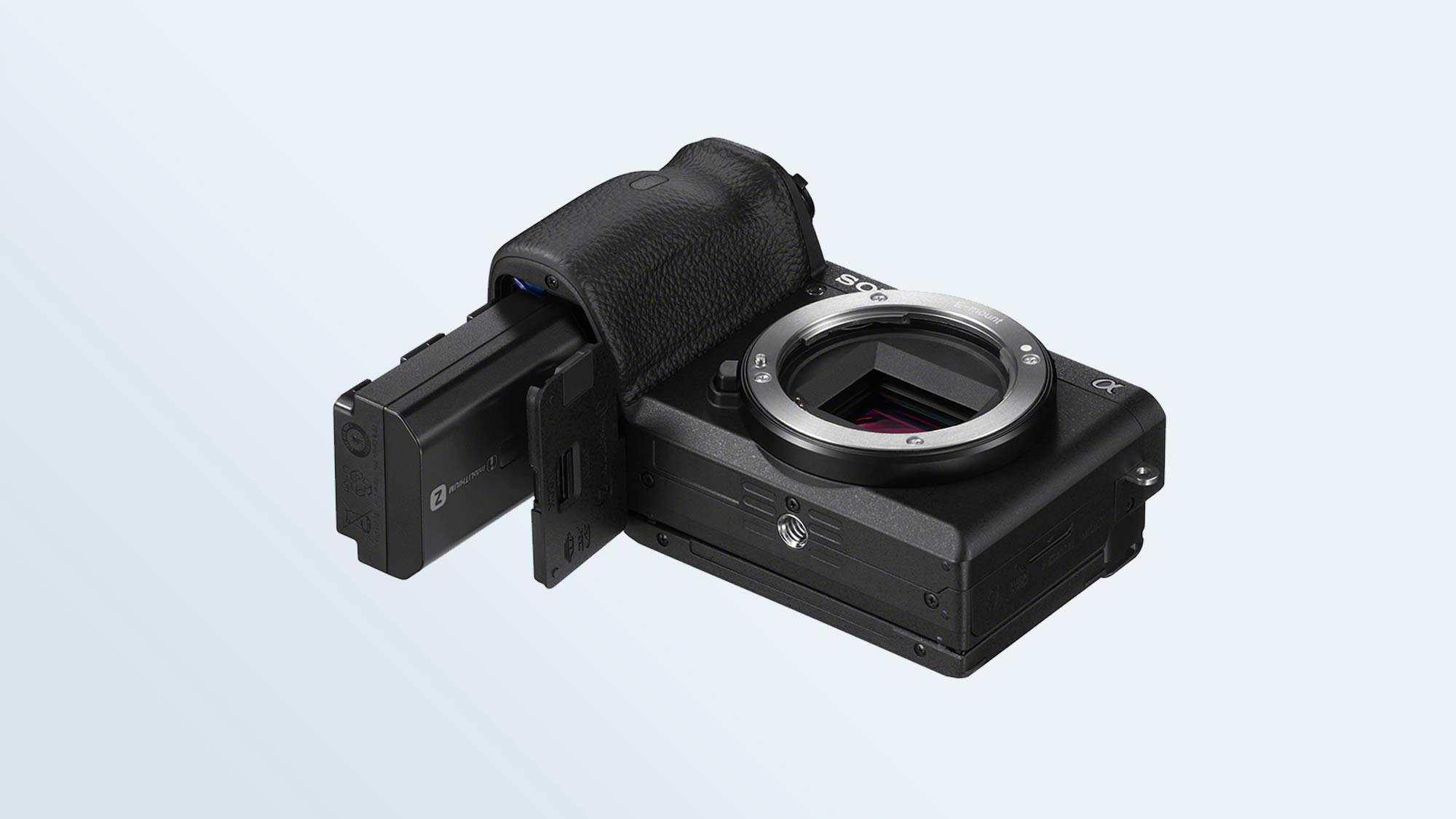
The Sony a6600 inherits the a6500's solid construction: a dust and moisture-resistant magnesium-alloy trunk covered with a pebbled black plastic skin. While the camera is still meaty, the grip is slightly larger, which makes for a more balanced handhold when using larger lenses. What's more, it means that the camera can take advantage of the more powerful Z battery used past Sony DSLRs. That gives the a6600 more than twice the bombardment life of the a6500, according to Sony. You'll be able to capture an boilerplate of 720 all the same images per bombardment charge when using a viewfinder, while the a6500 is capable of capturing virtually 310 images under the same weather.
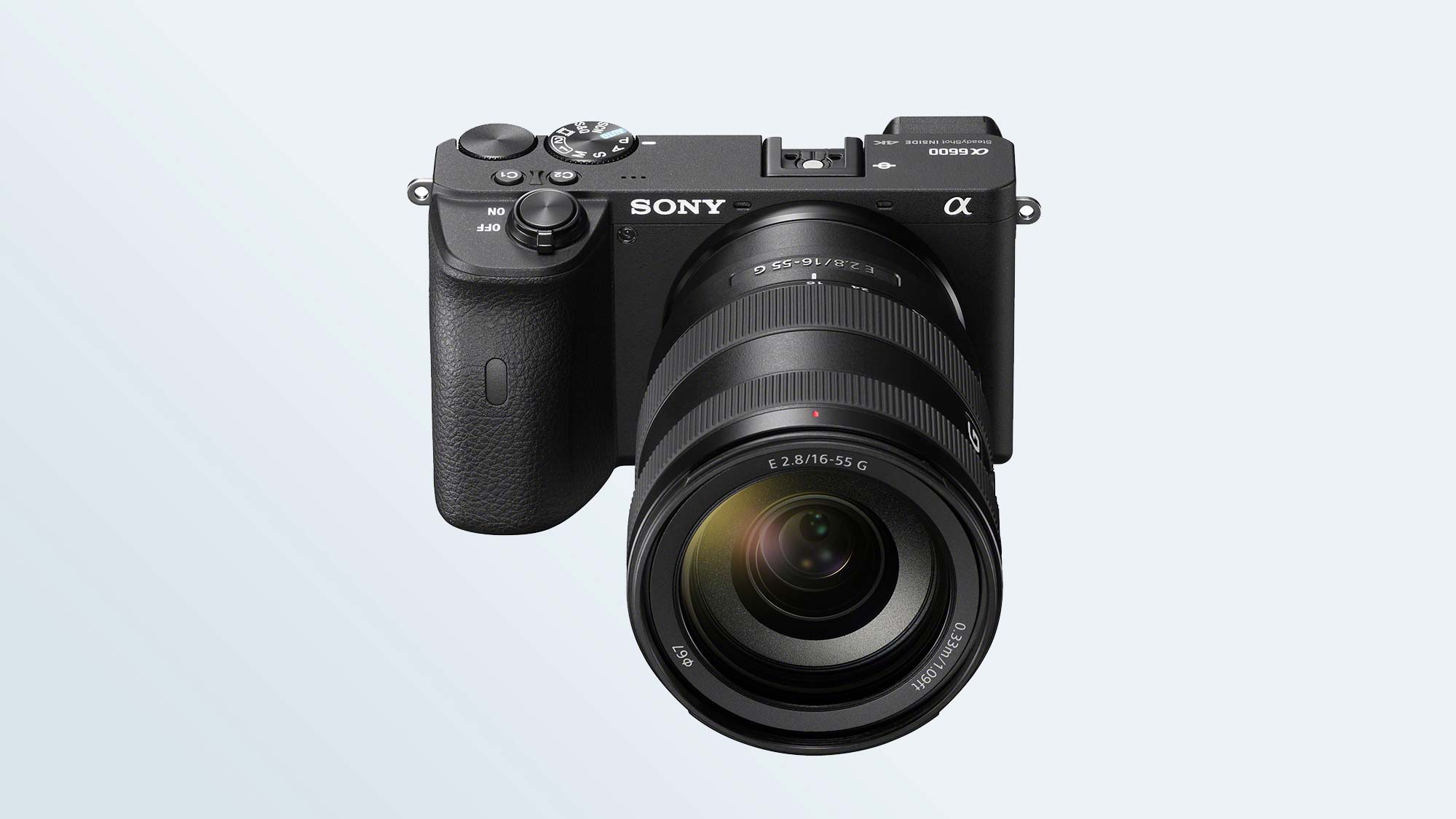
The increment in size and weight is insignificant. The a6600 measures 4.7x2.6 x 2.3 inches (versus the a6500'south iv.7x2.6 x 2.1 inches). With the bombardment and retentiveness carte, the a6600 body (without a lens) weighs just in a higher place 1.1 pounds – less than 1.eight ounces more than the a6500.
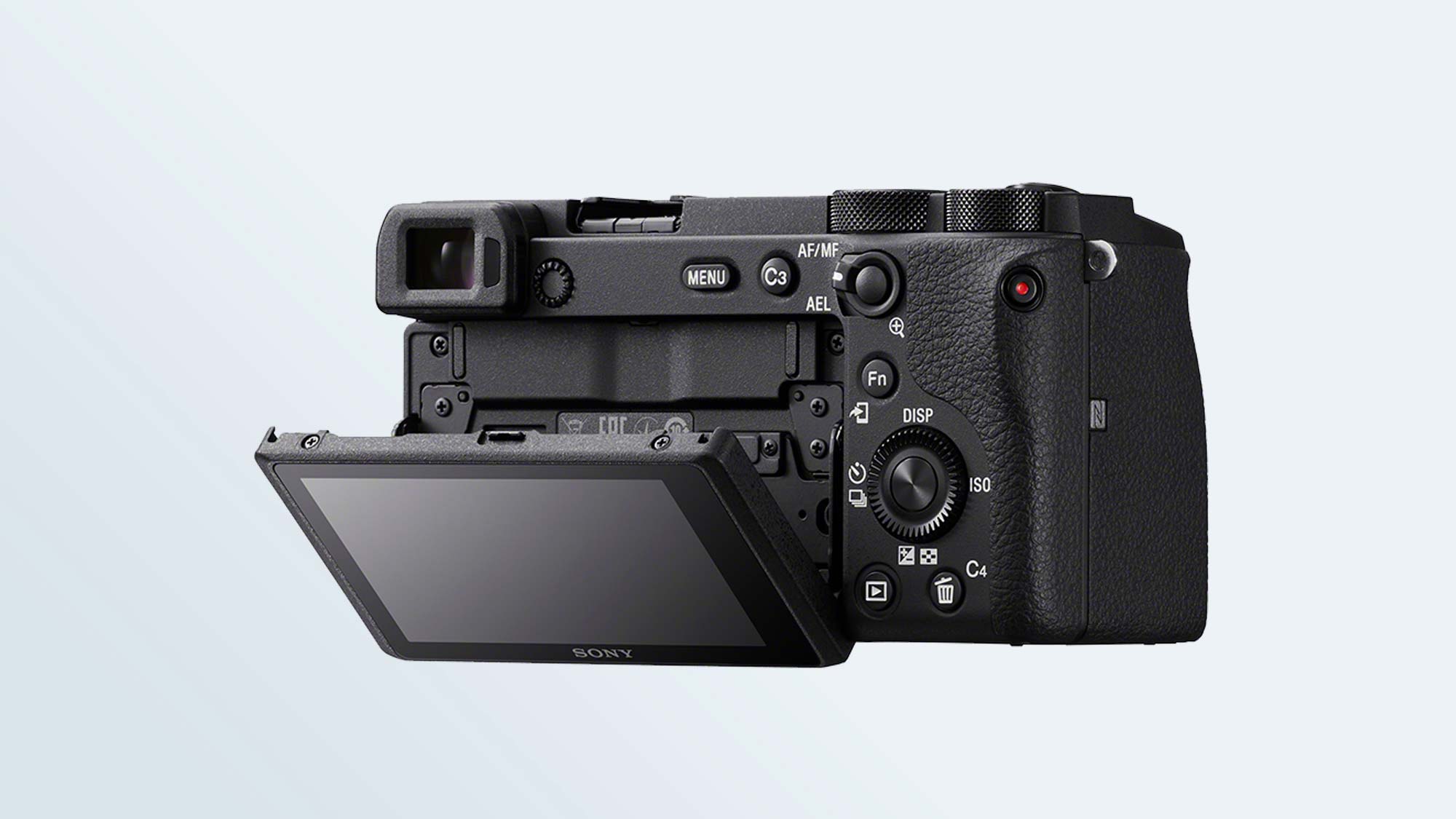
The other major design improvement is the more versatile LCD screen. The a6600's screen now flips up a full 180 degrees from a affluent position on the back and then it tin can face up forward over the lens (for selfies), and tilts down 74 degrees (for viewing the screen while belongings the camera above your caput).
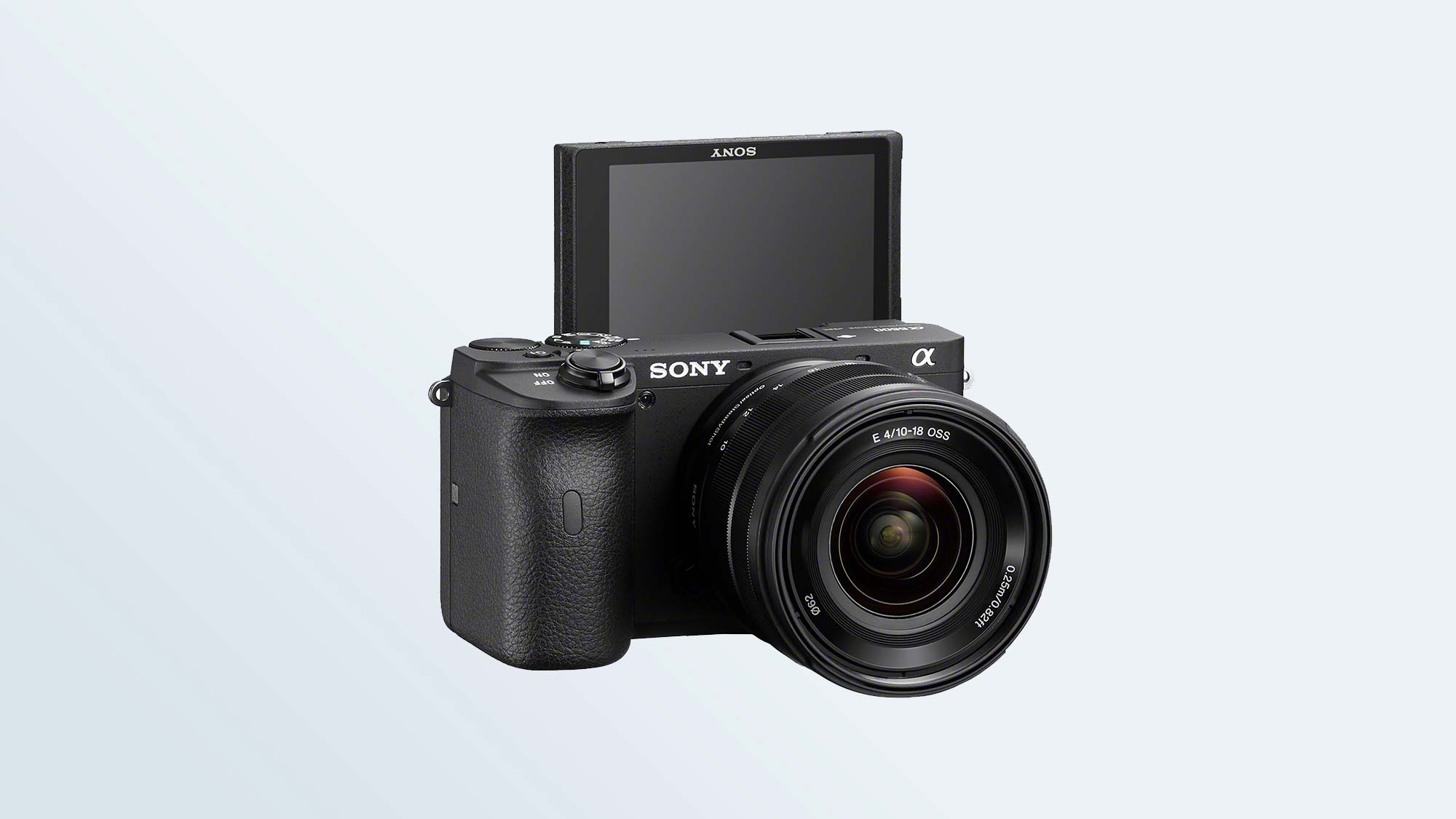
The LCD's selfie position is especially useful for vbloggers. In addition, the a6600 has a jack for an auxiliary microphone and a new port for headphones, both of which are nether the door on the left side of the camera (with the USB and HDMI ports).
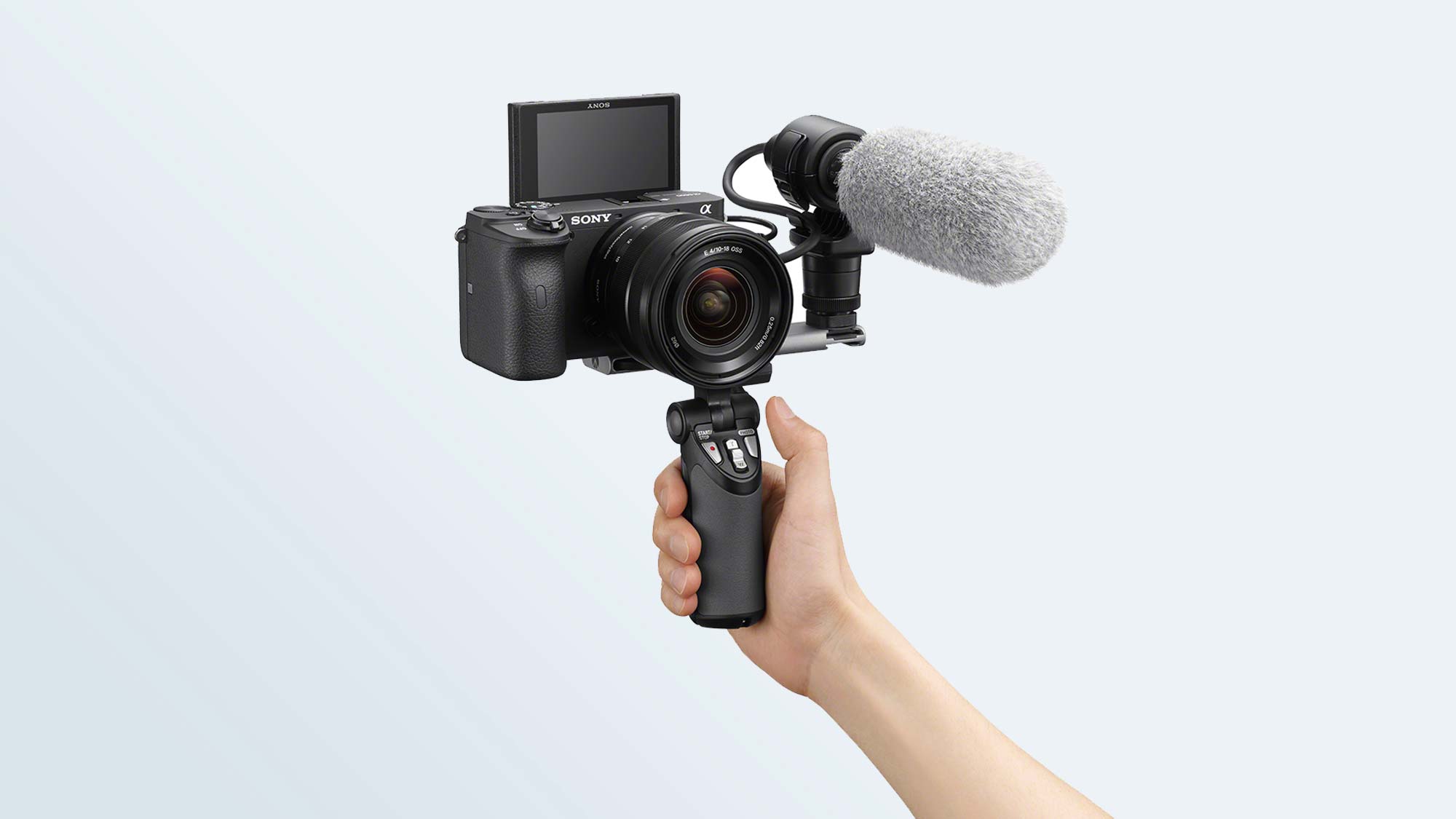
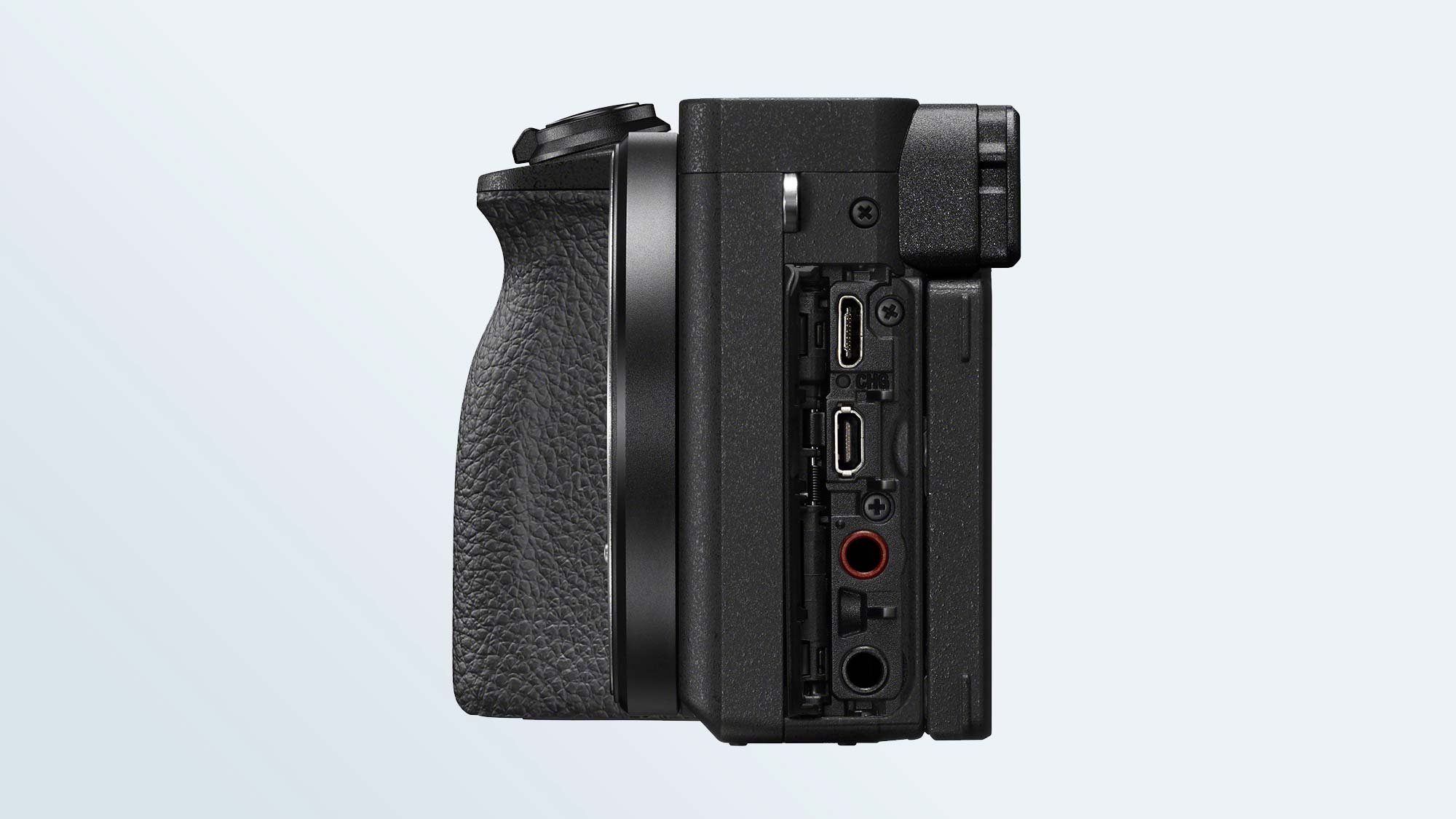
The LCD is the same 3-inch screen with 922K dots that's on the a6500, but the a6600's touch screen capability has been extended beyond affect focus to also include touch shutter and affect tracking. In my tests, I plant the monitor to exist responsive. The screen is bright and precipitous, with excellent particular – though with the common problem that LCDs have of being unreadable in straight sunlight.
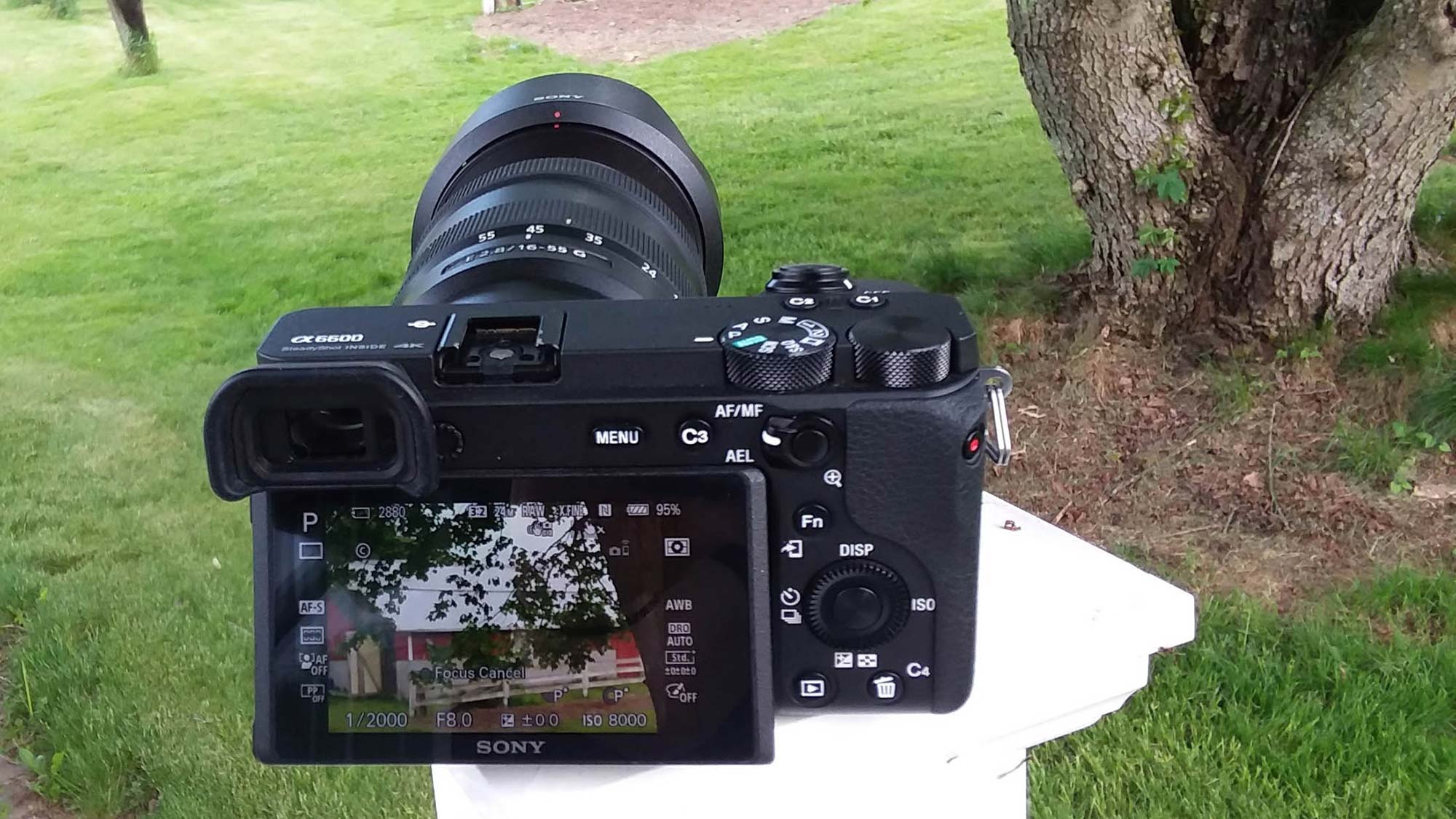
The 2359K-dot XGA OLED electronic viewfinder is also brilliant and abrupt, with easy to read data displayed in white on the live view's blackness border. As reported in our review of the a6500, the start of my heart from the viewfinder caused past eyeglasses made it difficult to view the far corners of the prototype, unless I moved the camera slightly. (I ended up using the diopter to suit the viewfinder's optics and so I could read the image data and settings without my spectacles.) The sensor to the correct of the viewfinder worked perfectly, turning off the LCD and turning on the viewfinder immediately, when I pressed my eye to await through information technology.
Like the a6500, the a6600 can take reward of the full range of professional-quality Sony E-mount lenses available from Sony and third parties. Similarly, a flash hot shoe on the superlative of the camera is compatible with Sony and 3rd-party flashes. The a6600 has gotten rid of the popup flash that Sony had on all of its serial predecessors, which makes sense, since various lenses occluded the popup's illumination. Unfortunately, the a6600 still has only one UHS-I-compatible SD memory carte du jour slot (nested with the bombardment in the grip).
Sony a6600: Interface and controls
Given all the a6600's features and functions, it comes as no surprise that it has lots of buttons, dials and menus. The nearly frequently used are hands accessed through physical controls, plus iv custom buttons that are user-programmable for quick access to your personal favorite settings. Most of the controls and icons follow industry standards, making it comparatively piece of cake to chief the bones photographic camera functions.
On the top are the on/off switch/shutter button, with the mode and control knobs and 2 of the custom buttons backside it.
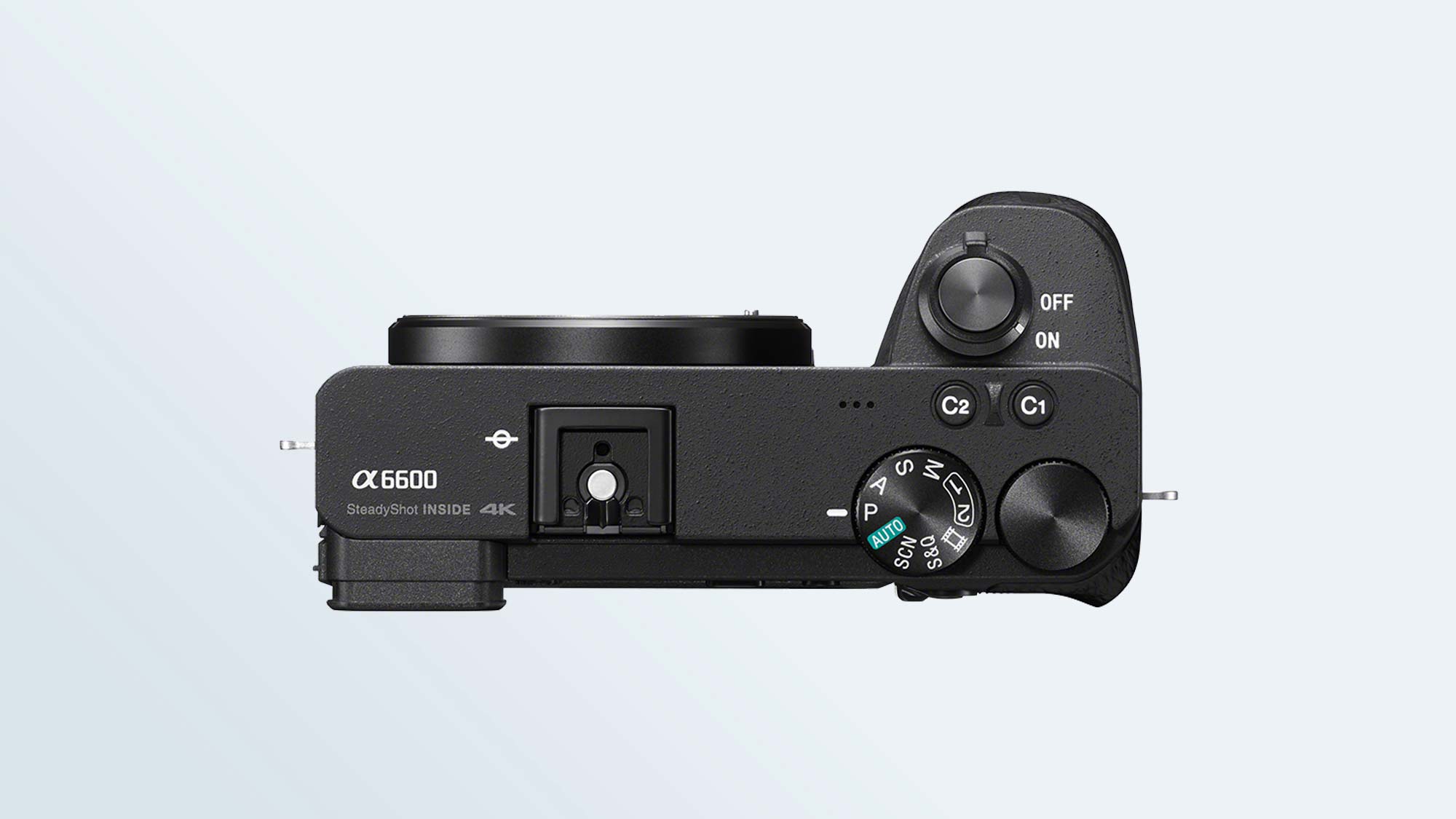
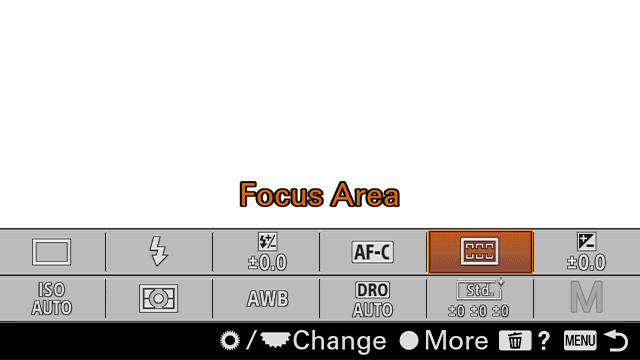
The dorsum has a typical profusion of buttons and controls. Here y'all'll find a switch for autofocus/manual focus (AF/MF) and the motorcar exposure lock (AEL), and the two other user-definable custom buttons. The directional command does double (and sometimes triple) duty, depending on what style you lot're in. It scrolls through menus, selects among different display styles, and opens the options for ISO, exposure bounty, the drive fashion, or the focus area. With my left paw under the lens and my right holding the battery grip in the traditional photographer's position, I had no difficulty reaching for these controls with my pollex.
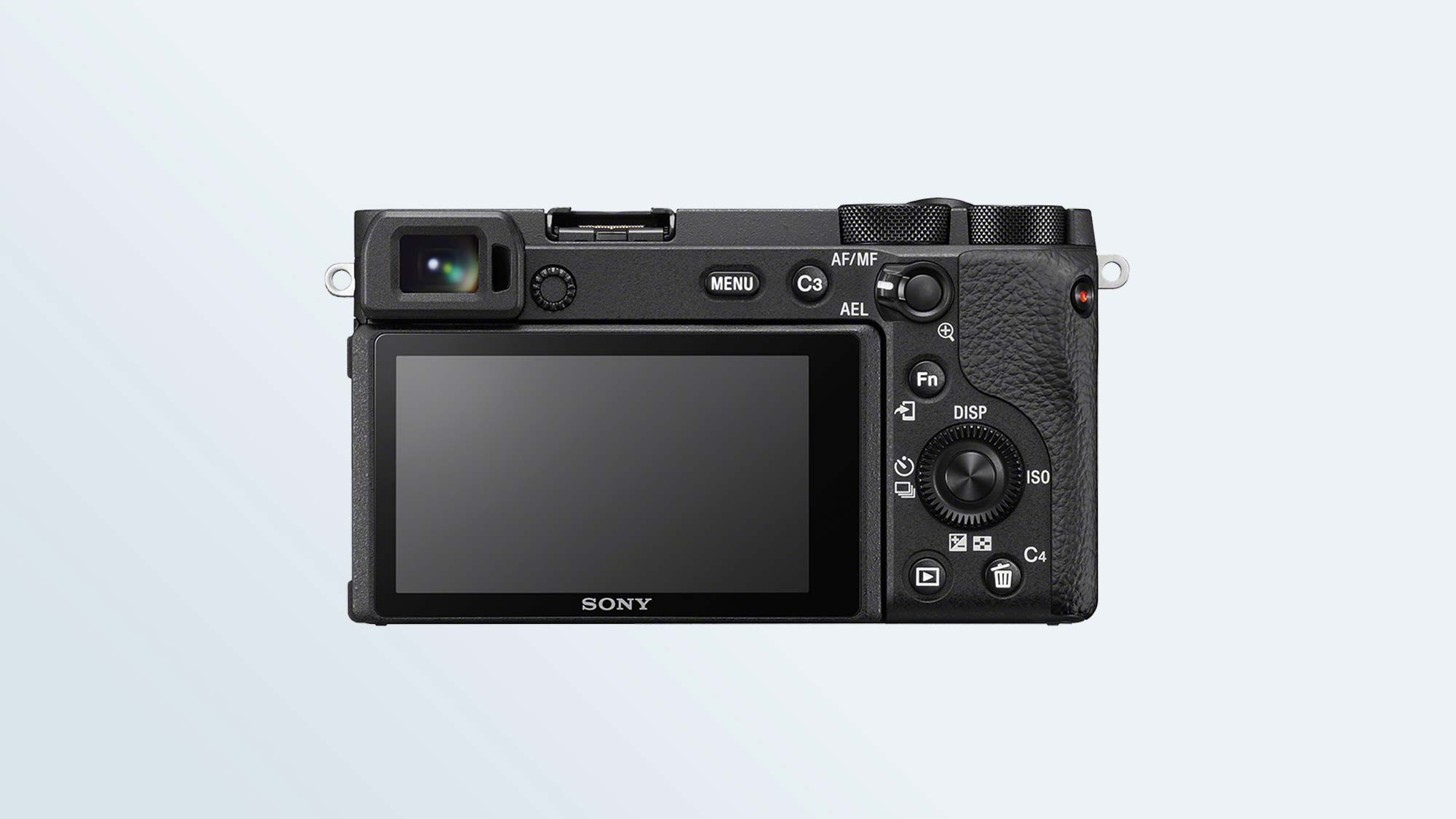
The tiny indented film button to beginning video recording is in the upper correct edge between the back of the camera and the battery compartment grip. The position is logical, only information technology still took me some time to go used to reaching for it without looking.
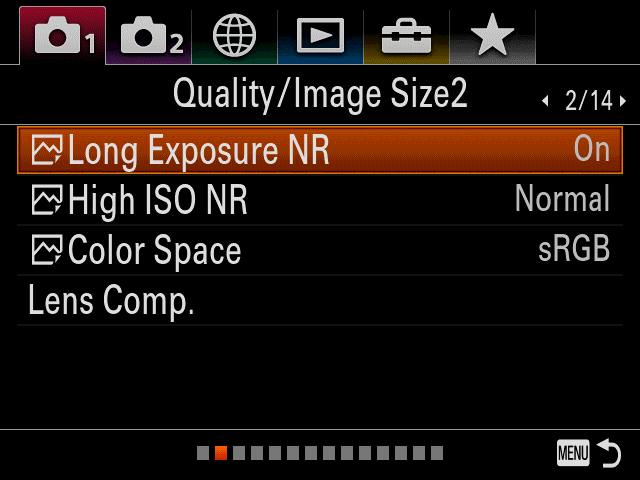
While the nested menus (displayed on the LCD monitor) are redesigned to be more logical than on the a6500, they still consist of a plethora of options then that navigation is circuitous. The interface has six tabs: however image options, motion picture options, network settings, playback controls, setup/tools, and a customizable My Bill of fare. Each of the tabs contains multiple screens, adding up to 36 individual screens. In addition, some of the more advanced features require adjustments to several settings, which sometimes involve scrolling through various screens.
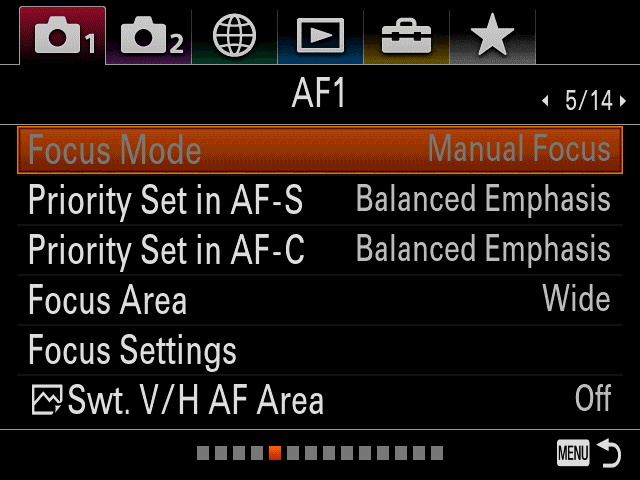
I found the function (fn) button a great shortcut for the almost of import settings. Pressing it displays a menu of 12 functions on the lesser of the LCD screen, overlaying the electric current view through the lens. By default, when in yet photography mode, the fn push provides directly access to modify the bulldoze mode, focus mode, focus expanse, exposure bounty, ISO, metering mode, flash style, flash compensation, white remainder, artistic style, file format, and shooting mode.
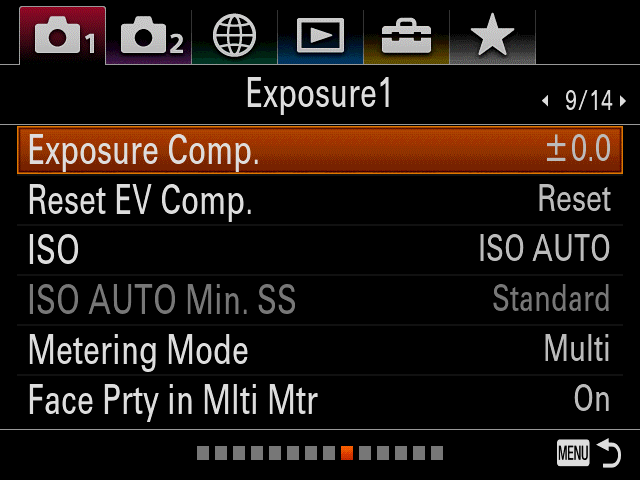
When in movie mode, the function bill of fare has fewer default icons: focus mode, focus area, exposure bounty, ISO, metering manner, flash bounty, white balance, creative style, and video exposure mode. However, you can customize the fn menu according to your preferences. While in the midst of a shoot, I tended to printing the fn push button when I needed to make changes rather than wasting my time scrolling through the nested screens of the tabbed menu. Of class, the iv hardware custom buttons are even a quicker manner to access your personal favorite settings.
Sony a6600: Image quality
I shot all my even so photos using RAW+JPEG, and my analyses are based on viewing the RAW files using Sony'south Imaging Edge software on a calibrated monitor. All pictures are analyzed and published as shot with no prototype editing. (Photos are converted to JPEG after analysis so they can be shared below.)
For my exam all the same image, I used studio lights, set the a6600 to default metering, plan manner, 200 ISO, auto white balance and wide autofocus, used a steady camera stand and shot at 1/30, f8.0.
For the most role, the photos were consistently skillful to first-class. Images were sharp, and colors were truthful to life. However, the indoor test still image was over-saturated and wasn't every bit crisp every bit my outdoor images.


Outdoors in good sunlight, my photos were bright, sharp and clean.

Skintones are natural and appealing.

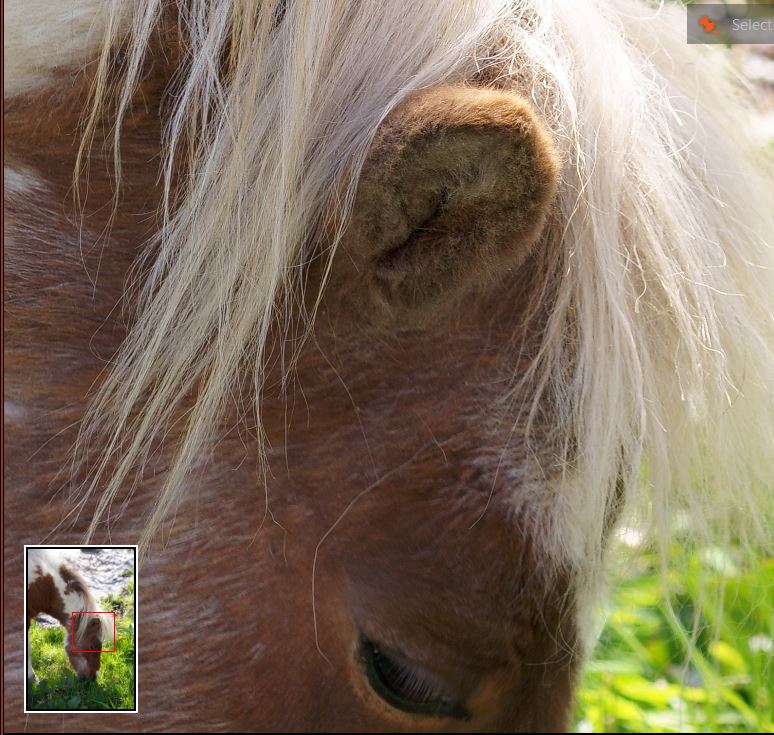
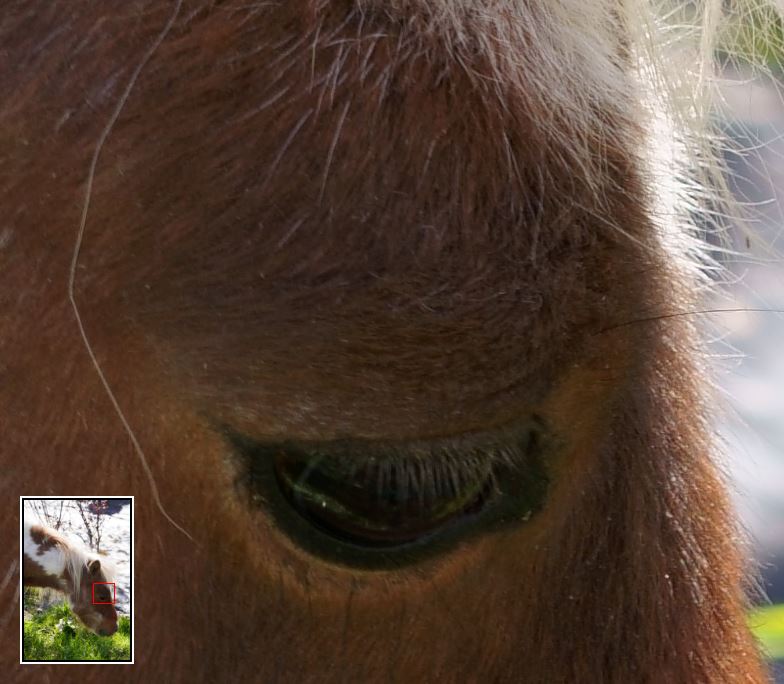
I was impressed with the clarity of detail even in shadows and highlights in photos taken outdoors in bright light. In challenging light, such as a combination of very bright lights and dark shadows, or backlighting, the a6600 delivered well-balanced exposures and dynamic range with nifty particular in almost situations. Fifty-fifty in this backlit prototype, the individual hairs of the horse'due south mane are well defined (shown at l% magnification). You can distinguish the eyelashes which are in shadow (100% magnification).
Nevertheless, periodically I constitute I sometimes had to use exposure compensation to capture the truthful midtones, highlights and shadows. For instance, sunlight filtering through the copse onto this motel in the night woods confused the photographic camera's metering. The upshot was an overexposed epitome. When I fix the exposure compensation to -one.7 EV, the camera captured the full lush qualities of the shadowy scene.


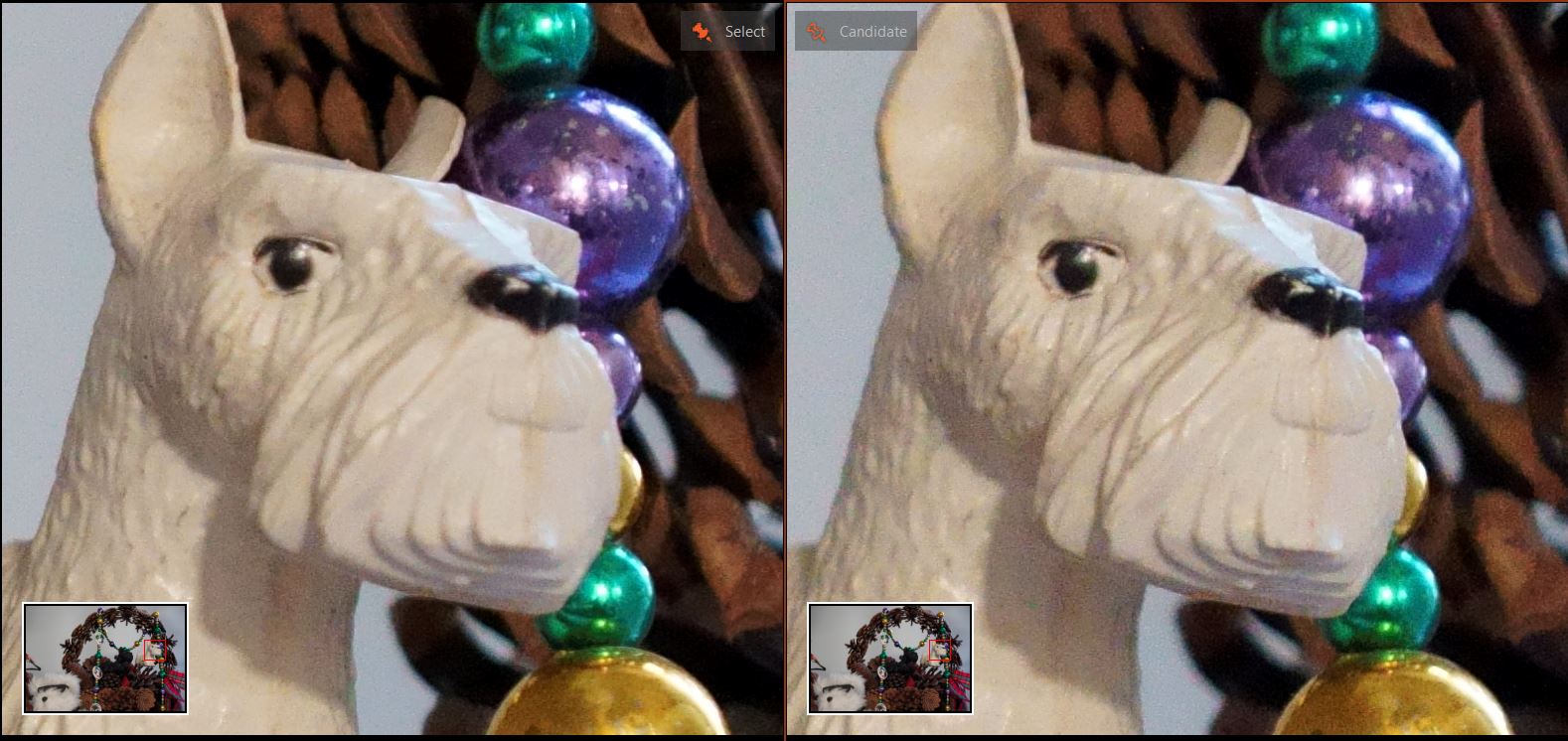
As is to be expected, when I used higher ISOs in low calorie-free situations, the resulting pictures were noisy. Photographing the examination yet life with the tabular array studio lights turned off, I captured a series of images from chiliad to 8000 ISO. I noticed some colour noise at 3200 (left image), just the noise became distracting at 5000 (correct image). Both pictures are displayed at 100% magnification.
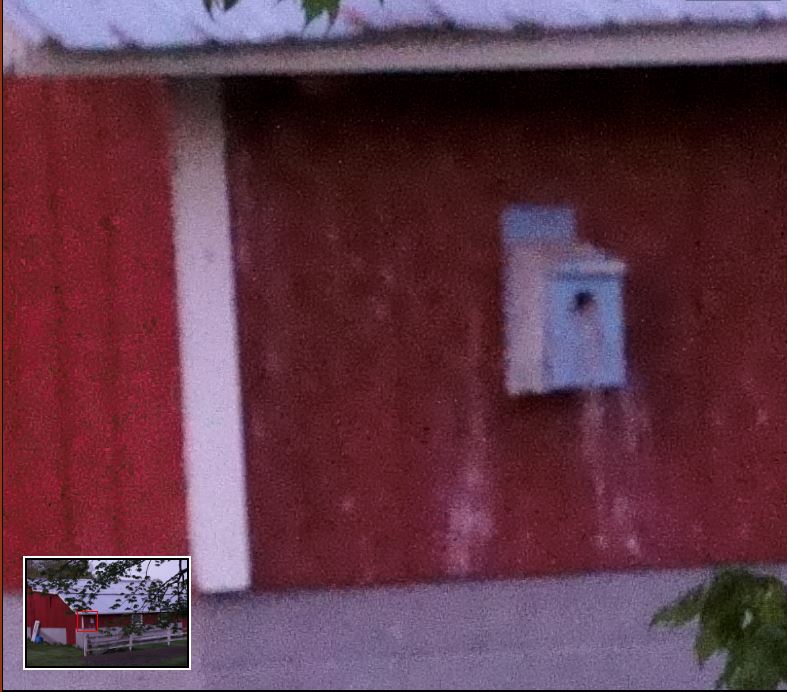
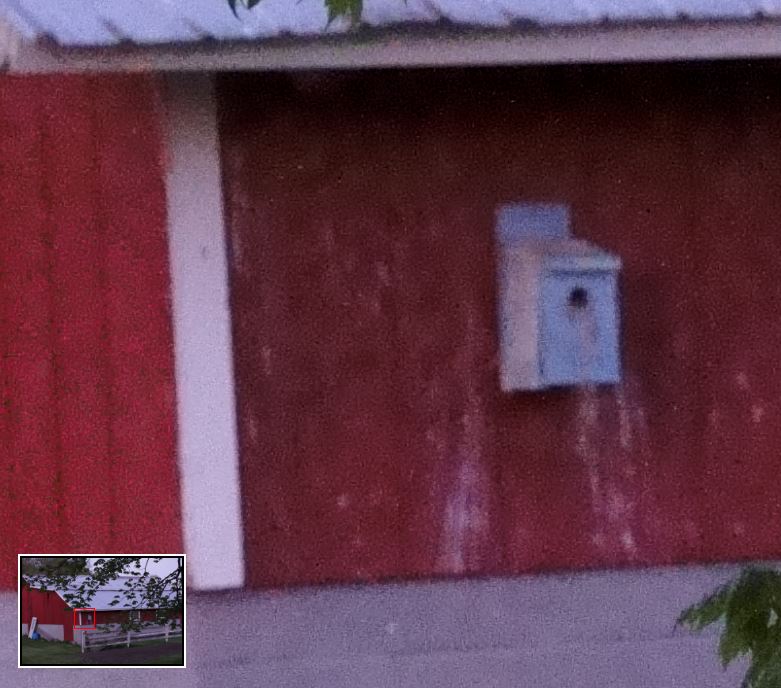
This case, this twilight paradigm of a neighbor'due south barn, shot at 10,000 ISO using discontinuity priority auto exposure (ane/xl at f4.five), is not merely overexposed only also displays considerable noise. When I captured the same scene (virtually two minutes later) using identical parameters but adding the Dark creative mode, the processing reduced the racket. (Both are viewed here at 100% magnification.)
Sony a6600: Autofocus and speed
The a6600 is a fast shooting camera, matching the a6500's shooting speed (11 frames per 2d) in continuous style, and bettering its autofocus (0.02 seconds versus 0.05 seconds). Nonetheless, when shooting at 11 fps, the camera will brandish the terminal shot taken rather than a live view, and that's problematic when yous need to etch your shot and/or photograph a moving subject. You have to slow down to eight fps to use live view. The a6600'due south fast hybrid autofocus uses 425-point phase detection and 425-indicate contrast detection that analyzes 84% of the image frame horizontally and 100% vertically. (The a6500 has 425/129 detection.)
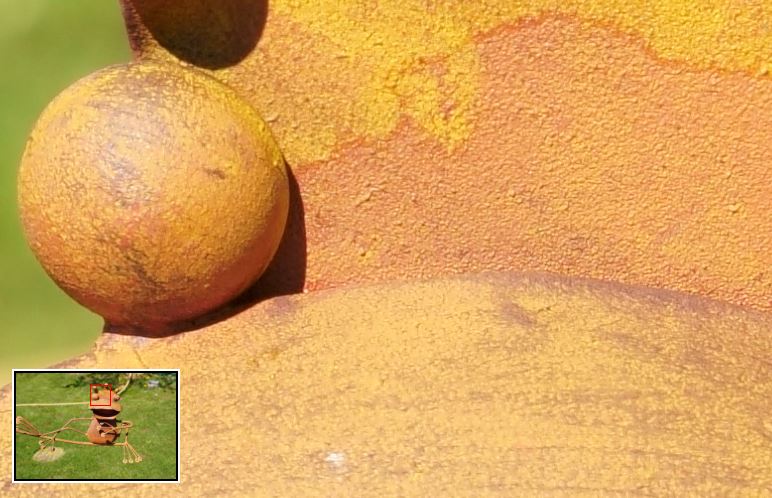
When I photographed a garden whirligig that kept twirling in the cakewalk, the a6600's real time autofocus zeroed in quickly and accurately. (Shutter priority, 1/160th at f2.eight, shown at 100% magnification)
In addition, the a6600 has expanded on the a6500's AI object recognition for detecting and tracking eyes. The a6600's center autofocus works with both people (left/right eye selectable) and animals in still photo capture. The camera even has eye AF in video (though only for humans).
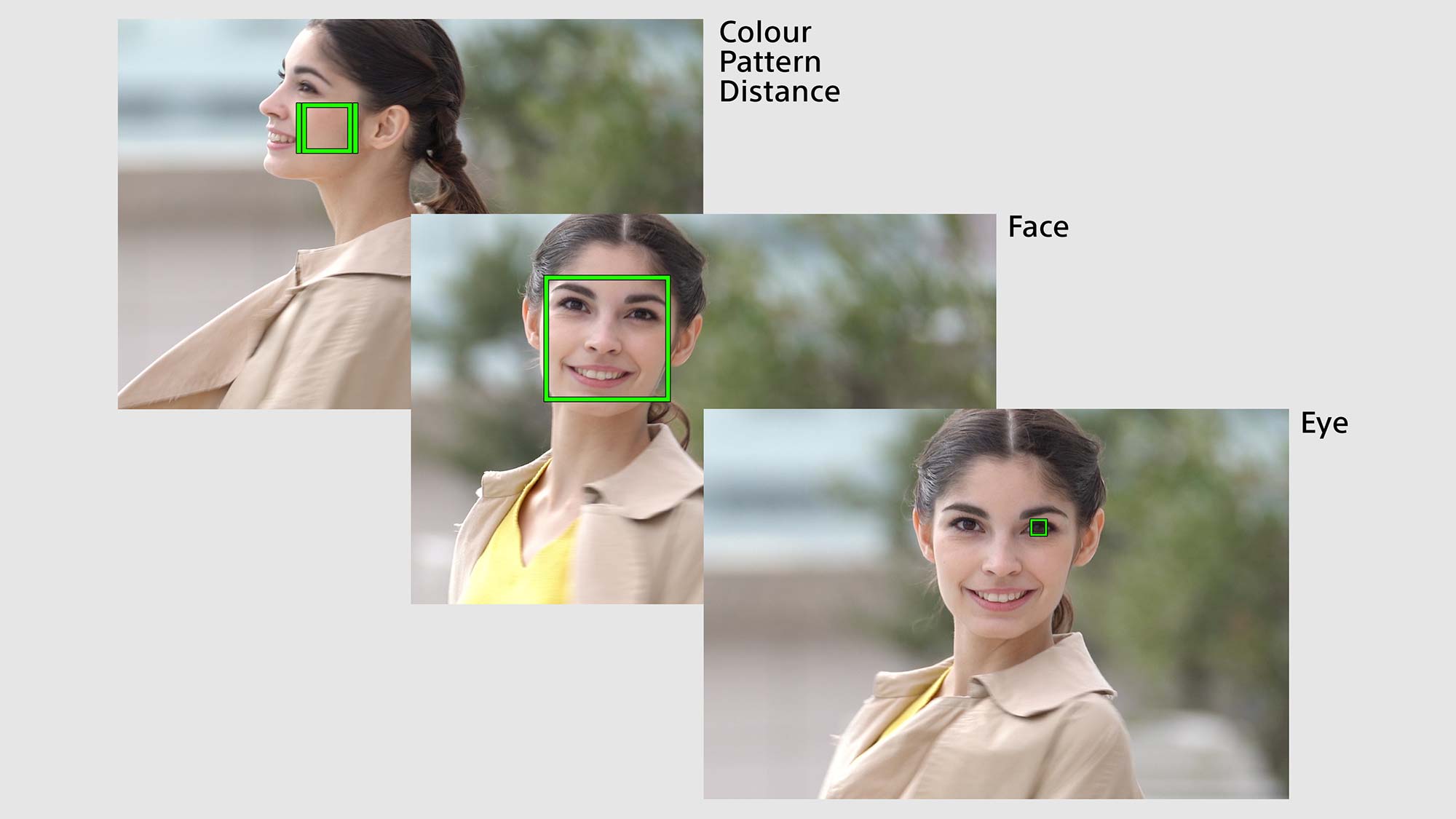
In this video, I've slowed the playback, so you tin see how the runner's face stays in focus.
You tin can tweak autofocus for video by adjusting the AF drive speed (fast, normal or ho-hum) and AF sensitivity (responsive or standard). Select your AF bulldoze speed according to how chop-chop you want your field of study to come up into focus. AF sensitivity relates to the ability to quickly switch among subjects (or stay locked on a specific bailiwick) during filming. The LCD'south functionality has been expanded to include not but touch focus merely also touch tracking, so yous can quickly select specific moving subjects to keep in focus while recording your video.
Sony a6600: Video performance
The 6600 creates 4K movies by oversampling 6K capture, for higher quality videos. In addition to S-log 2 and S-log 3 gamma curves for capturing a full range of data from the paradigm sensor, the 6600 has hybrid log-gamma (HLG) for high dynamic range capture (HDR).
Like the a6500, the a6600 has Slow and Quick Move, which means y'all tin can slow down motion (such as a trapeze artist floating through the air) or practice fourth dimension-lapse videos (for instance, of a flower opening). And it has the aforementioned 5-stop 5-axis in-photographic camera stabilization as the a6500, which helps you create smoother videos.
For my test vlogging video, I set the LCD in selfie position and used the a6600'due south congenital-in microphone rather than attaching an auxiliary mike. The only lights used were my studio ceiling overheads and a desk lamp. The video is clean and sharp with practiced color though oversaturated. While a bit noisy, the sound is of a good book and quite audible. Because the LCD was facing me over the lens, I could monitor the volume indicators and other settings, while confirming that I didn't have spinach in my teeth. Overall, information technology's adept enough to make information technology into our list of the all-time cameras for vlogging.
Sony a6600: App and software
Sony has replaced its kludgy PlayMemories app with Imaging Edge software, which connects the photographic camera to a computer, smartphone or other smart mobile device. The app is segmented into three modules: Viewer, Editor and Remote.
Remote is the important part, and the single reason why you will want to download and employ Imaging Edge. Through the Remote interface, you lot can control and shoot your camera from your computer or device plus transfer both still images and videos. The app can as well apply your phone's GPS location information to your files' metadata.
On the other hand, the Viewer and the Editor are weak sisters to Remote, and certainly won't replace Adobe Lightroom or any of the all-time photograph editing software for serious photographers.
Sony a6600 review: Verdict
The Sony Alpha a6600 is a worthy new flagship for Sony'southward mirrorless APS-C line of cameras. Its advances – such as extended heart autofocusing, great tracking, better performance and speed, and a more flexible LCD – make it very tempting, despite the high price. Those looking for on a upkeep will want to check out the Sony a6100, which costs one-half as much and tin can shoot 4K video, simply lacks in-body epitome stabilization and has a much shorter battery life. Merely if you desire the best Sony has to offer among its APS-C mirrorless cameras, the a6600 is it.

Source: https://www.tomsguide.com/reviews/sony-alpha-a6600
Posted by: hansonfign1966.blogspot.com
0 Response to "Sony Alpha a6600 review"
Post a Comment